 April 7, 2026
  Ysel Hernandez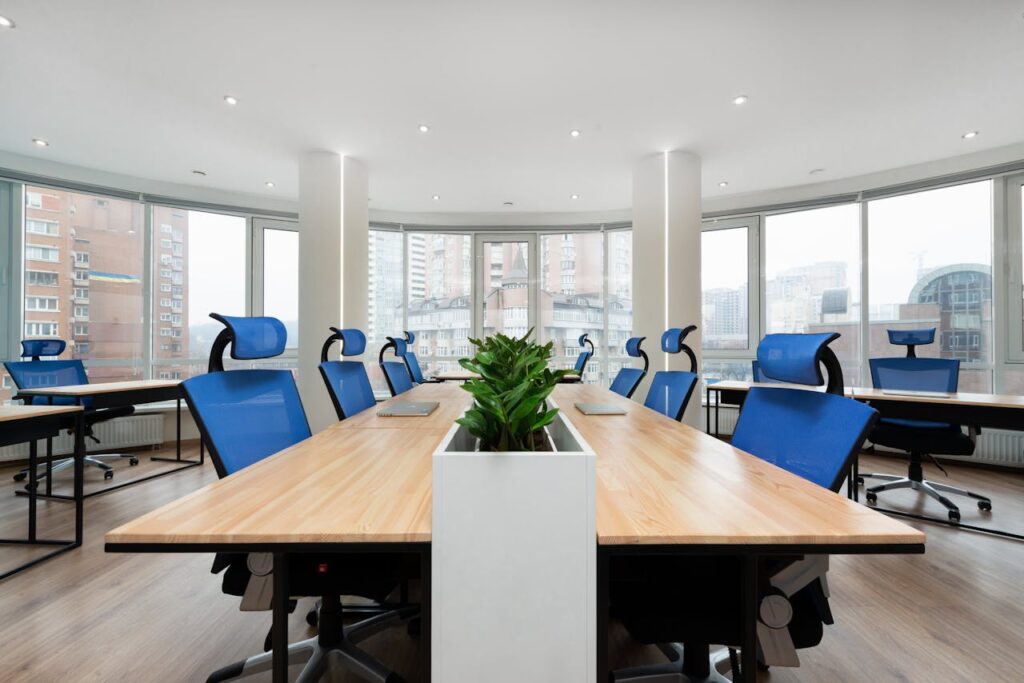
You don’t need a corner office on the 30th floor to leave a lasting impression on a client. In fact, some of the most memorable and productive client meetings happen in spaces that have nothing to do with a permanent office lease — and everything to do with preparation, professionalism, and atmosphere.
Whether you’re a freelancer, consultant, solopreneur, or small business owner, this guide is your playbook for turning an on-demand meeting room into your most powerful business development tool.
Why the Space You Choose Sends a Message Before You Even Speak
First impressions aren’t just about your handshake or your pitch deck. The moment a client walks into a meeting, they’re absorbing everything around them — the cleanliness of the space, the quality of the furniture, the reliability of the technology, the professionalism of the environment.
A home office Zoom call says one thing. A polished, well-equipped conference room in a professional co working facility says something entirely different.
“The environment you choose to meet in is a proxy for how seriously you take the relationship.”
This doesn’t mean you need to spend thousands a month on a private office. On-demand meeting rooms give you all the credibility of a traditional office — without the long-term lease, the overhead, or the commute.
Step 1: Choose the Right Room for the Right Meeting

Not all client meetings are the same, and the room you book should match the nature and tone of the meeting.
One-on-One Consultation or Sales Meeting
For intimate, focused conversations, a smaller meeting room creates a sense of exclusivity and personal attention. A round or square table without a big power-distance dynamic encourages dialogue and trust.
Team Presentation or Pitch
If you’re presenting to a group, you need a room that supports a clear front-facing setup — a large display or projector, enough seating for your audience, and room for your team to be present without crowding. A properly equipped conference room handles this immediately.
Working Session or Workshop
Collaborative meetings benefit from whiteboards, plenty of table space, and flexible seating. Look for rooms that offer writable wall surfaces or in-room boards so you can map out ideas in real time.
Video or Hybrid Call with Remote Stakeholders
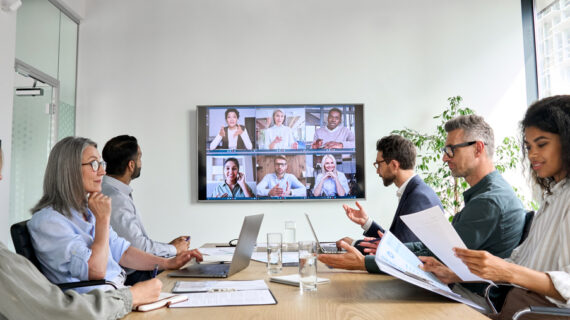
If part of your audience is remote, you need a room with reliable, fast internet, a quality camera setup, and clean acoustics. A professional background matters enormously in video calls — it signals that you’re serious and organized.
Step 2: Book Early and Confirm the Details
The worst thing you can do before an important client meeting is scramble. Booking your room in advance — and confirming the day before — eliminates the kind of last-minute chaos that rattles your confidence before you even sit down.
Here’s a quick pre-meeting checklist to run through:
- Confirm your booking 24 hours in advance
- Verify AV equipment is available and working (display, HDMI, conferencing tools)
- Check that the room has enough seating for all attendees
- Confirm WiFi credentials and test connection speed if needed
- Arrange catering or refreshments if offering them
- Know where to direct your client when they arrive — give them clear parking and entrance instructions
Professional facilities like Lakeside Workspaces in Weston offer all-inclusive meeting packages that handle the logistics for you — room, tech, furniture, and support staff — so you can stay focused on the meeting itself.
Step 3: Set the Stage Before Your Client Arrives
Arriving 15–20 minutes early is non-negotiable. This time is your window to transform a neutral conference room into your space.
Arrange the Room Intentionally
Think about seating placement. Do you want to sit across from your client (more formal) or at a 90-degree angle (more collaborative)? Position chairs so no one has their back to the door or is squinting into a window.
Set Up Your Materials
Have your laptop open, presentation loaded, and any printed materials placed neatly at your client’s seat. A branded folder, a printed agenda, or even a simple notepad and pen for the client communicates that you planned this meeting — not just winged it.
Test Everything
Connect to the display. Test your screen share. Run a 30-second video call if you have remote attendees. There is nothing more professionalism-deflating than fumbling with HDMI cables in front of a client for five minutes.
Add a Personal Touch
A bottle of water at each seat. A small plate of pastries. These gestures cost almost nothing but signal hospitality and care. It tells your client: I was thinking about you before you walked in.
Step 4: Manage the Arrival Experience
The moment your client steps out of their car, the meeting has begun. Make that experience seamless.
- Send detailed arrival instructions ahead of time: parking, entrance, which floor, who to ask for
- Be in the lobby or at the entrance to greet them personally — don’t make them navigate a building alone
- Introduce them to any front desk or support staff — it signals you’re a regular, not a stranger
- Walk them to the room yourself and offer refreshments immediately
This might seem like small stuff, but it’s the stuff clients remember. The ease of arrival contributes directly to how relaxed and receptive they’ll be once the conversation starts.
Step 5: Run the Meeting Like a Pro
You’ve set the stage perfectly. Now it’s time to deliver. A few principles that separate forgettable meetings from ones clients talk about afterward:
Start with an agenda
Even a brief verbal roadmap — “Here’s what we’ll cover today” — signals structure and respect for their time. Written agendas go a step further and make you look exceptionally prepared.
Listen more than you talk
The best salespeople and consultants aren’t the ones who deliver the most polished monologue. They’re the ones who ask sharp questions and make the client feel genuinely heard. A good meeting room layout facilitates this — comfortable seating, minimal distractions, appropriate intimacy.
Use the room’s tools
Don’t just sit around a table when you have a whiteboard and a display available. Sketch out a framework. Pull up a live example. Map their process on the board. Engagement tools make meetings dynamic and demonstrate competence.
End with clear next steps
Every great meeting ends with mutual clarity on what happens next. Who does what, by when? Summarize verbally and follow up with a brief email the same day. This habit alone will set you apart from 90% of your competition.
Step 6: The Follow-Up Is Part of the Meeting
The meeting doesn’t end when everyone stands up. What you do in the next 24 hours is part of the impression you’re leaving.
- Send a same-day thank-you email with a recap of what was discussed
- Include the agreed-upon next steps with dates and owners
- Attach any materials you referenced — proposals, one-pagers, presentation decks
- If appropriate, share a link to book your next meeting directly
This kind of disciplined follow-through reinforces the professionalism you demonstrated in the room. It turns a good meeting into momentum.
Why a Coworking Meeting Room Beats a Coffee Shop Every Time
A lot of solo professionals and small business owners default to meeting clients at coffee shops when they don’t have a permanent office. It feels casual and accessible — but it costs you in ways that aren’t always obvious:
- Background noise makes deep conversation difficult
- No reliable AV or presentation capability
- No control over the environment — seating, privacy, interruptions
- Signals informality when you may need to project authority or expertise
- Clients may unconsciously calibrate your rates to your surroundings
An on-demand conference room eliminates all of these problems. And at facilities like Lakeside Workspaces in Weston, you can book a professional meeting room for as little as $30/hour — a rounding error when compared to the value of a single closed deal.
Think of a meeting room rental as an investment in your close rate, not an expense.
The Bottom Line
You don’t need a permanent office to project permanence. With the right meeting room, the right preparation, and the right follow-through, you can walk into every client meeting with the kind of quiet confidence that comes from knowing you’ve thought of everything.
That confidence shows. Clients feel it. And it closes deals.
At Lakeside Workspaces in Weston, Florida, our meeting and conference rooms are available by the hour, day, or week — to members and non-members alike. They come fully equipped with everything you need: professional furniture, high-speed internet, display technology, catering options, and on-site support staff. All at a single, transparent price, booked online in minutes.